The risk is already in the operation.
The question is whether it is visible before it turns into loss.
We reveal invisible exposures in complex industrial operations, before they turn into loss, inflated premium, misdirected CAPEX or a capital decision with no basis.
We work for the financial and operational leaders of terminals, chemical plants, mining and manufacturing. We are not paid by premium, commission or insurance placement. The reading comes from the exposure, not from the transaction.
What is your operation still not seeing?
It starts with an outside reading: from what is already observable in your operation, we show where material exposure may exist that has not yet been mapped. No commitment, and no need to open confidential data.
The goal of the first conversation is not to deliver a closed diagnosis, but to test whether there is material exposure to be revealed and reduced.
Map invisible exposureA crisis rarely begins on the day of the event.
Before the fire, the shutdown, the loss or the break in continuity, there is almost always a combination of weak signals: layout, procedure, maintenance, inventory, segregation, protection, contract, response time and capital decision.
Resilience Guardians works in that space: where the exposure is still invisible to the report, but already real for the operation.
Three kinds of exposure that do not show up in the report.
What hasn't entered the map yet.
Material risks that do not appear clearly in insurance reports, formal inspections or traditional compliance assessments.
What makes the loss worse.
Small conditions of process, layout, protection, maintenance or response that increase severity, frequency or recovery time.
What gets decided in the dark.
Premiums, limits, deductibles, CAPEX and priorities set without an integrated reading of the operation's real exposure.
Exposures that usually go unseen.
Reports, inspections and policies are inputs, not the end point. Resilience Guardians does not replace them: it re-reads this material alongside the operation, the recovery time and the company's financial capacity.
Real exposure rarely sits in a single place.
Exposure appears when operation, engineering, insurance and finance are read together.
Material risk almost never lives on a single axis. It forms in the combination. The radar maps the six places where real exposure tends to hide.
Invisible, revealed, reduced. The reading begins where the conventional report stops: in the real conditions that produce severity, frequency and recovery time.
Diagnosis with action.
We do not stop at the report. Every exposure revealed becomes a priority, a measure and a decision.
Reveal
Identify exposures that do not appear in the conventional report, the formal inspection or the compliance assessment.
Quantify
Translate operational vulnerabilities into severity, frequency, recovery time and financial impact.
Reduce
Prioritise low-CAPEX measures, operational changes and controls that reduce exposure before the loss.
Govern
Connect residual risk to the decision on retention, transfer, mitigation and capital.
Complex industrial operations.
Environments where one unmapped exposure can compromise years of results at once.
When the exposure reaches the balance sheet, Retention Engineering begins.
Resilience Guardians shows where the exposure is born. Retention Engineering shows how much of that exposure remains on the balance sheet, who carries it and whether it fits the company's financial capacity. Together, they connect operation, risk transfer and capital decision.
Two partners, one firm.
Resilience Guardians is led by two partners, both chemical engineers, with more than six combined decades in risk management, corporate insurance and the transfer of complex risks in the international market.
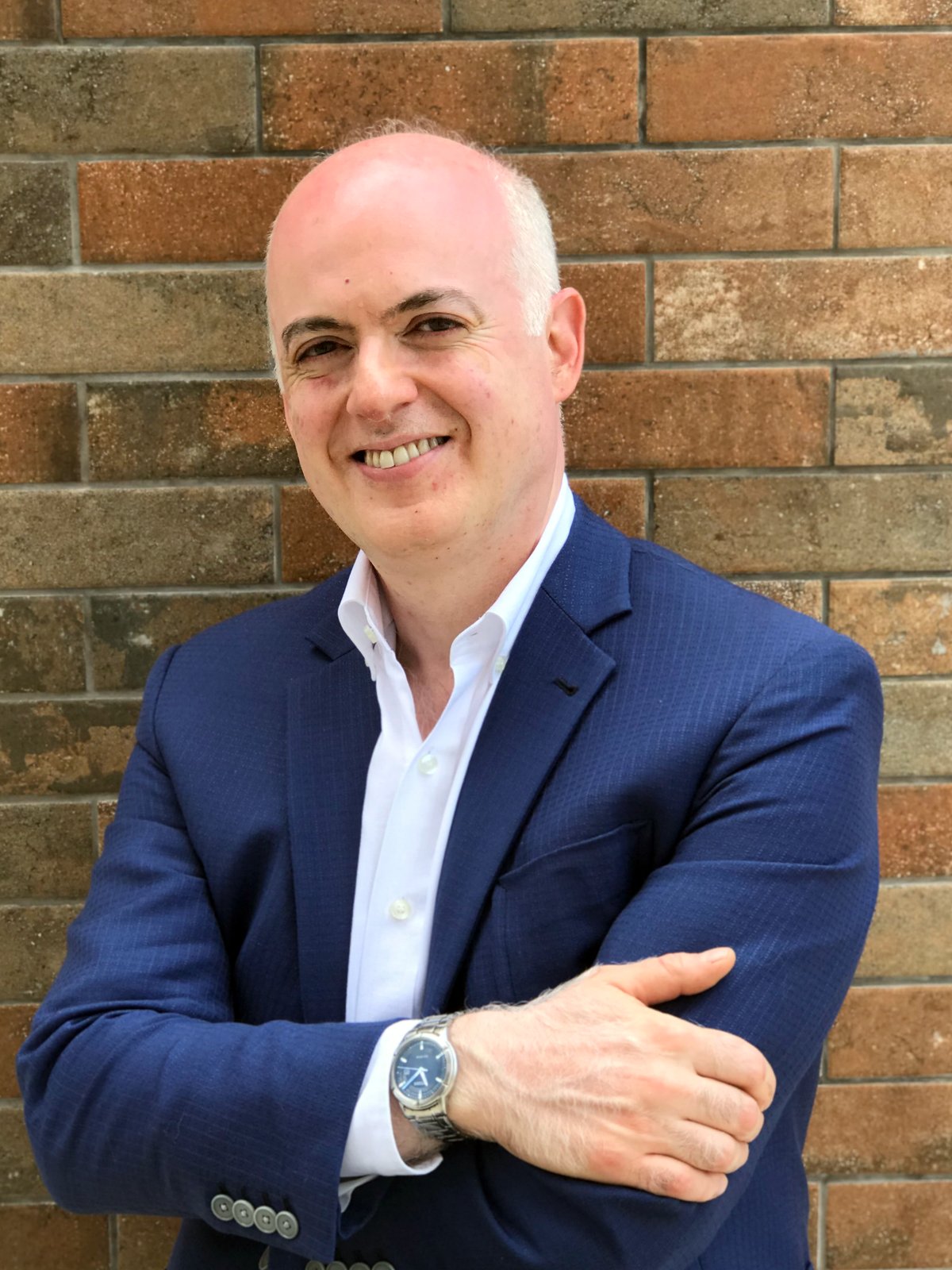
Waldemir Queiroz
More than thirty years working directly in risk management inside industrial companies, combining operations, risk engineering, corporate insurance and the finance function. He has led recoveries from severe incidents and structured risk-transfer programmes.
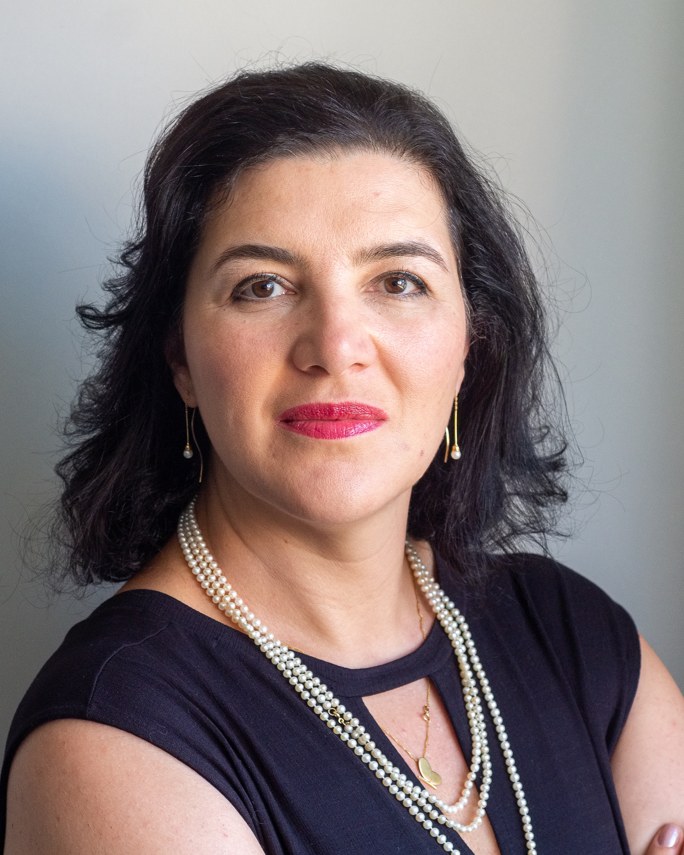
Luciane Pereira Barbosa
More than thirty years in risk management and risk transfer. She has worked both inside companies and within insurance brokerages, focused on placing highly complex risks in the international market.
What they say about our work.
Clients on the results Resilience Guardians delivered at critical moments.
Country Manager Brazil · Itafos
Grupo EME
Controller · Zanotti
Start with the exposure you cannot yet see.
A first 30-minute conversation is enough to understand your operation and show where a reading of risk and capital can make a difference. No commitment, and no need to open confidential data.
We test three preliminary hypotheses of material exposure, drawn from the sector, the main assets and the current protection and transfer structure. It is not a closed diagnosis; it is an executive screening, enough to decide whether it is worth going deeper.
Operating base in Curitiba, Brazil. We serve operations across Brazil and follow risks placed in the international market.
To explore the firm's proprietary method, visit retention.engineering.